Heat ready London?
2026 has already seen five official heatwaves in London.
On 25 June 2026, the Mayor of London published Heat Ready London - Adapting the city to a warmer climate.
Heat Ready London is the first London-wide plan for how to adapt to the increasingly frequent heat and severe heatwaves London is experiencing.
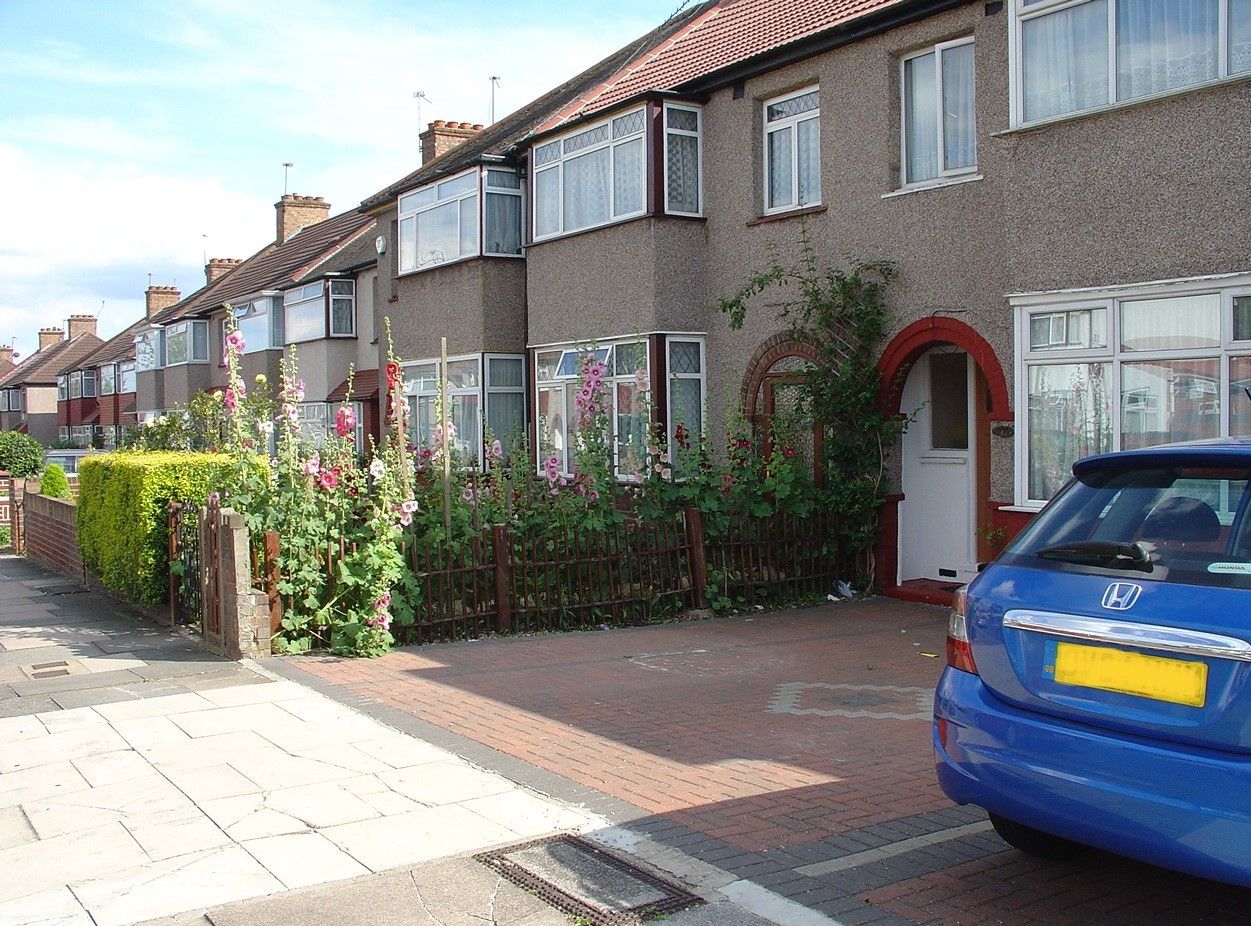
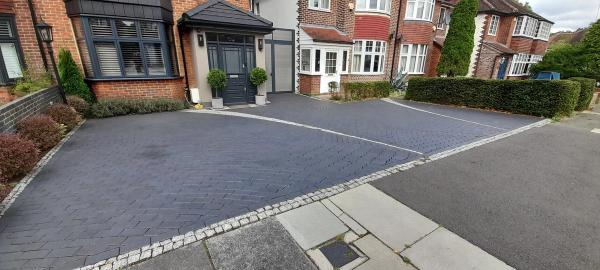
The plan has some good and mostly obvious content, aims and actions. But for whatever reason, it fails to mention the loss of front gardens, often to hard surfacing, that is directly raising heat risk in London. It’s also creating a host of other problems, including rising flood risk, pollution of rivers, the loss of biodiversity and space for nature, and property subsidence.
That is a huge oversight and a missed opportunity.
Part of a pattern?
The Mayor’s heat plan is not the first to ignore the front gardens issue. The 2025 London Surface Water Strategy does mention front gardens – but only once. Yet the 2024 London Climate Resilience Review did recommend some action on front garden hard surfacing.
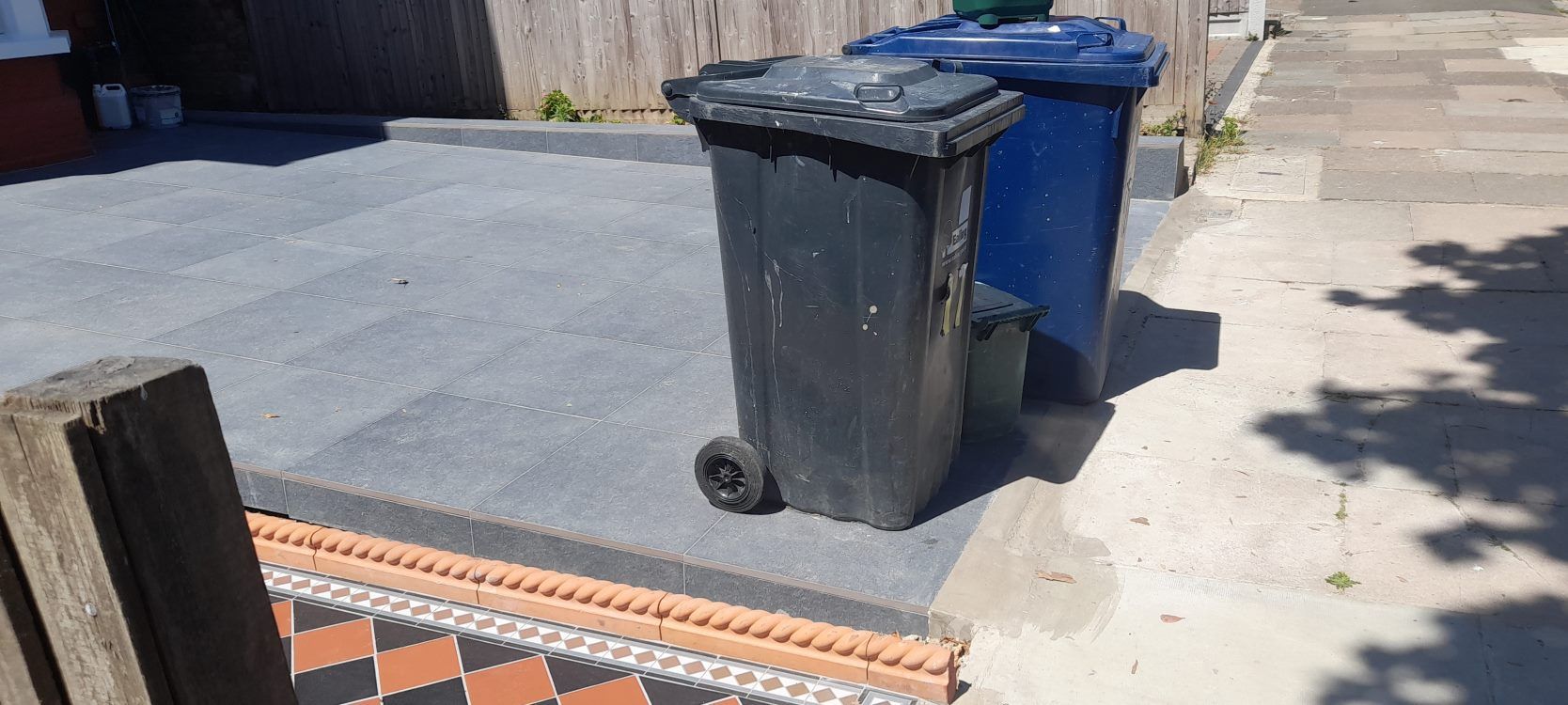
Overlooking the front gardens issue doesn’t make it go away.
Capital heat risk
London is particularly at risk of health-harming heat extremes:
- In May 2026, London experienced a record temperature for May of 35.1°C.
- 2025 saw five official heatwaves in London and 2026 has followed suit.
- In July 2022, London breached 40°C for the first time.
The Mayor’s Heat Ready plan reports that:
- Around 1 million homes in London may currently be at high risk of overheating.
- 1,361 schools, 60 hospitals and 351 care homes are located in high-risk areas for heat.
- High heat puts extra pressures and costs on public services, including health, transport, education, Ambulance and Fire & Rescue services.
- Within 20 years London could see two to three times as many heatwaves than now.
- 2022’s three heatwaves are estimated to have cost the capital £1.5 billion in lost productivity, plus costs to health, education, emergency services, transport disruption, higher energy use, and losses to households and businesses from wildfires.
The plan’s five aims are to:
- Protect Londoners from the health impacts of high temperatures
- Reduce inequalities by prioritising those most at risk
- Ensure buildings, public realm and green spaces are adapted to heat and provide shade
- Maintain essential services and infrastructure
- Support productivity and economic resilience.
Expert input and missed opportunities
Notably, the plan states on ‘Next Steps’ (page 35) that “The development of Heat Ready London has been informed by engagement with a wide range of professional stakeholders…”.
If so, few if any professions or other experts who were involved raised the front gardens issue. Or if they did, was it discounted or edited out? It would be good to know.
The plan misses several opportunities to address the loss of front gardens:
- The Plan’s 37 ‘priority areas’ – these are focussed on “where change is most needed in the short, medium and long-term”. That does cover “Increasing urban greening, which will include providing more tree cover and green spaces in priority areas, providing long term cooling and shade”.
Why is there no recognition of how losing front gardens adds to heat in the short term, let alone the medium and long term?
- Page 6 of the plan says: “Neighbourhoods will be cooler and greener: tree canopy, green spaces and water features will be expanded, and well maintained and managed – particularly in areas most at risk. This will provide shade; and reduce temperatures to help people cope on hot days.”
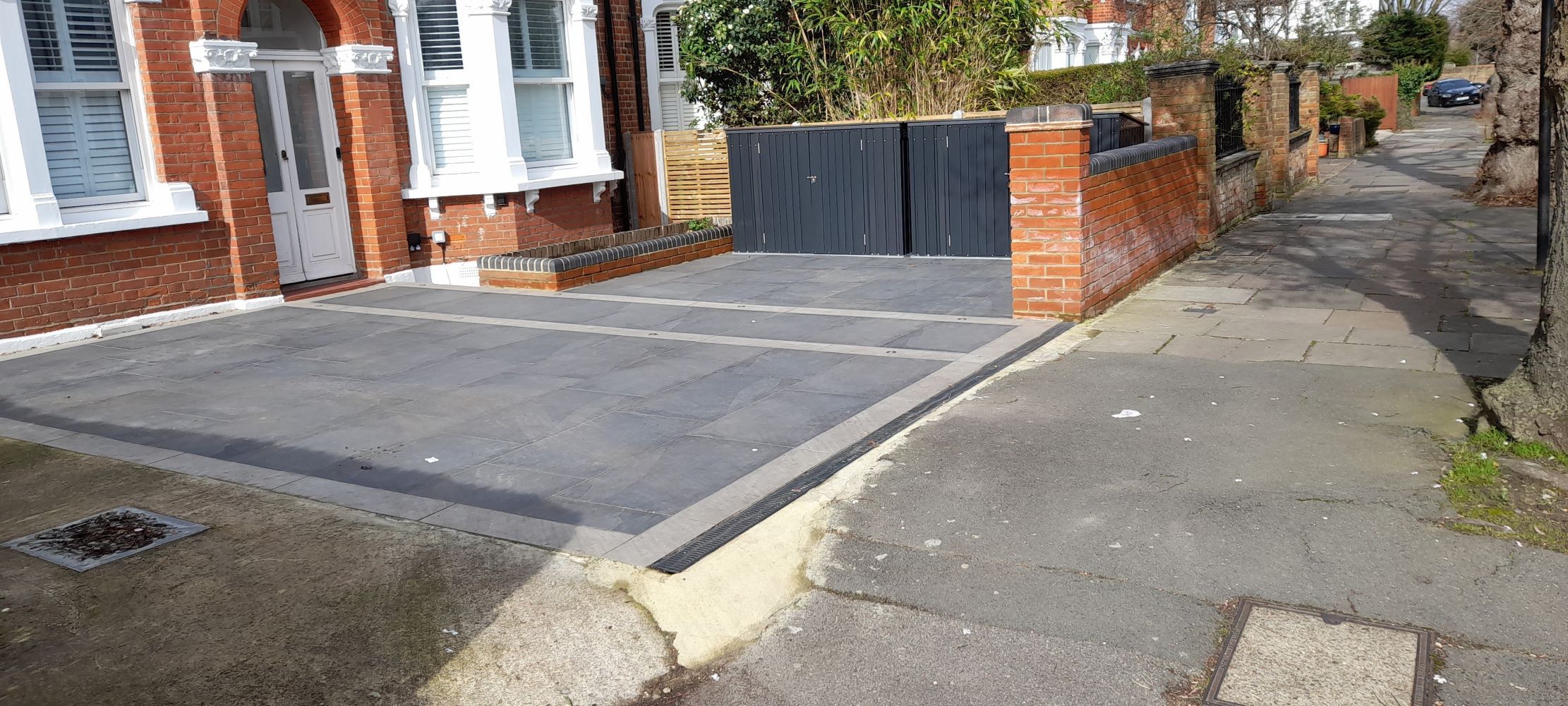
Tree cover and shading is needed, but is undermined by the ongoing loss of existing front gardens, soils, plant cover and hedging to hard heat-absorbing and often non-porous surfacing. And pavement crossovers limit the places where street trees can be planted.
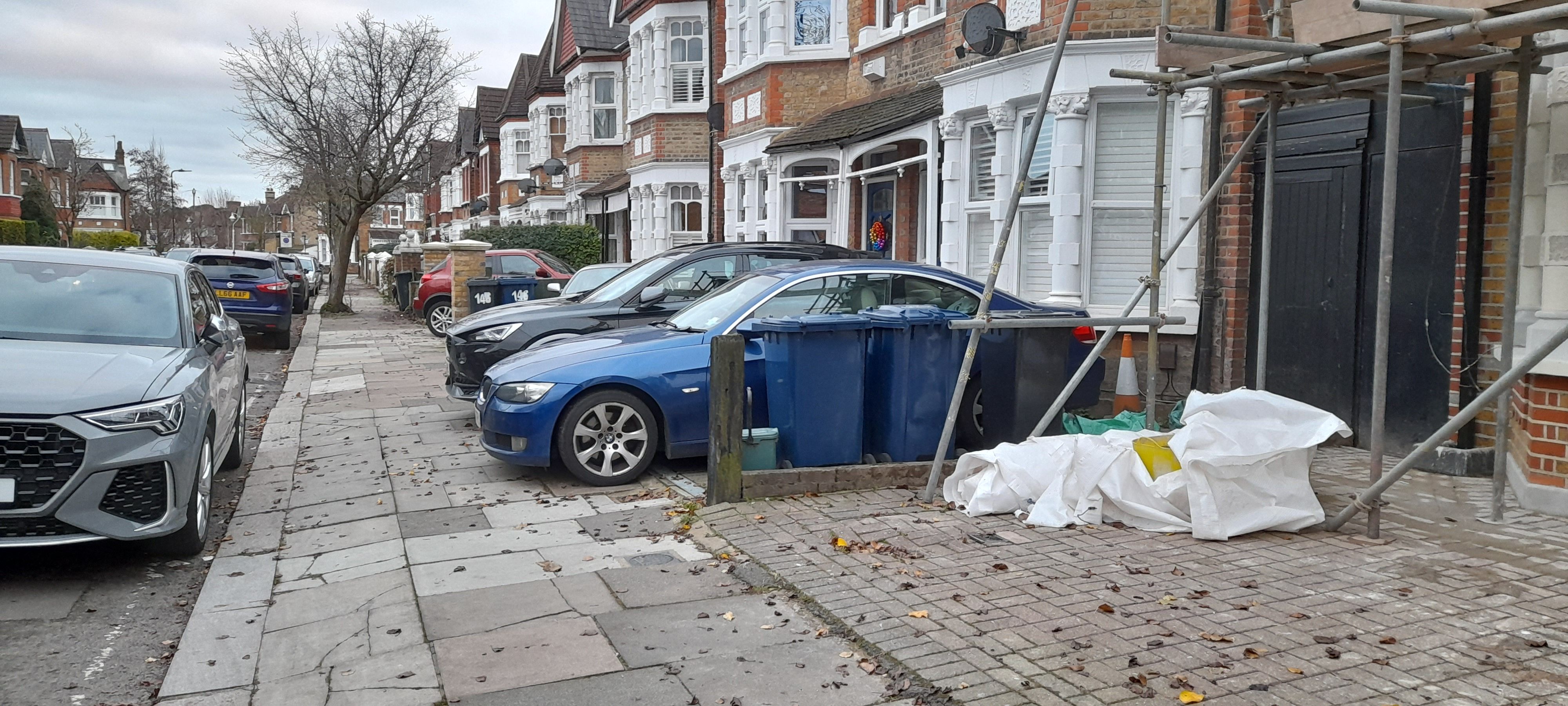
- Pages 20-22 are the plan’s main section on ‘Green space and nature’ – this also fails to mention how urban greening is being undermined by the loss of front gardens, often to hard surfacing.
- Page 22 does include: “4.3 Using greening on and around buildings: lower heat exposure and reduced demand for cooling; more attractive roofs and outdoor areas that support physical and mental wellbeing – especially in dense areas with limited green space”. But, again, there is no explicit reference to front garden loss, and how to retain existing and restore paved-over front gardens.
Street trees
The plan does cover other measures, such as more street trees. This is welcome where suitable street locations can be found, and as long as tree pits are well designed and there are proper plans to ensure new trees are cared for especially in their early years.
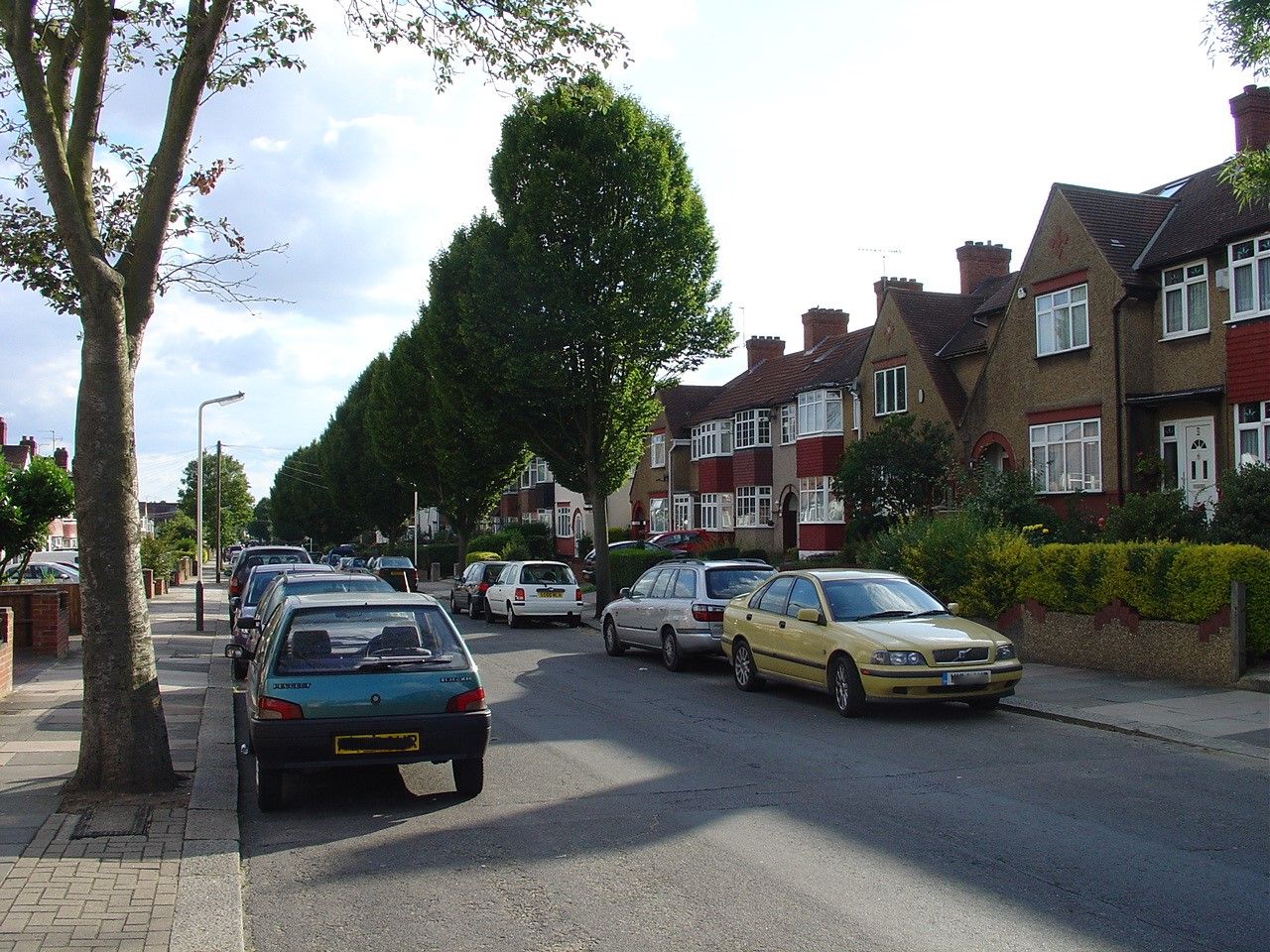
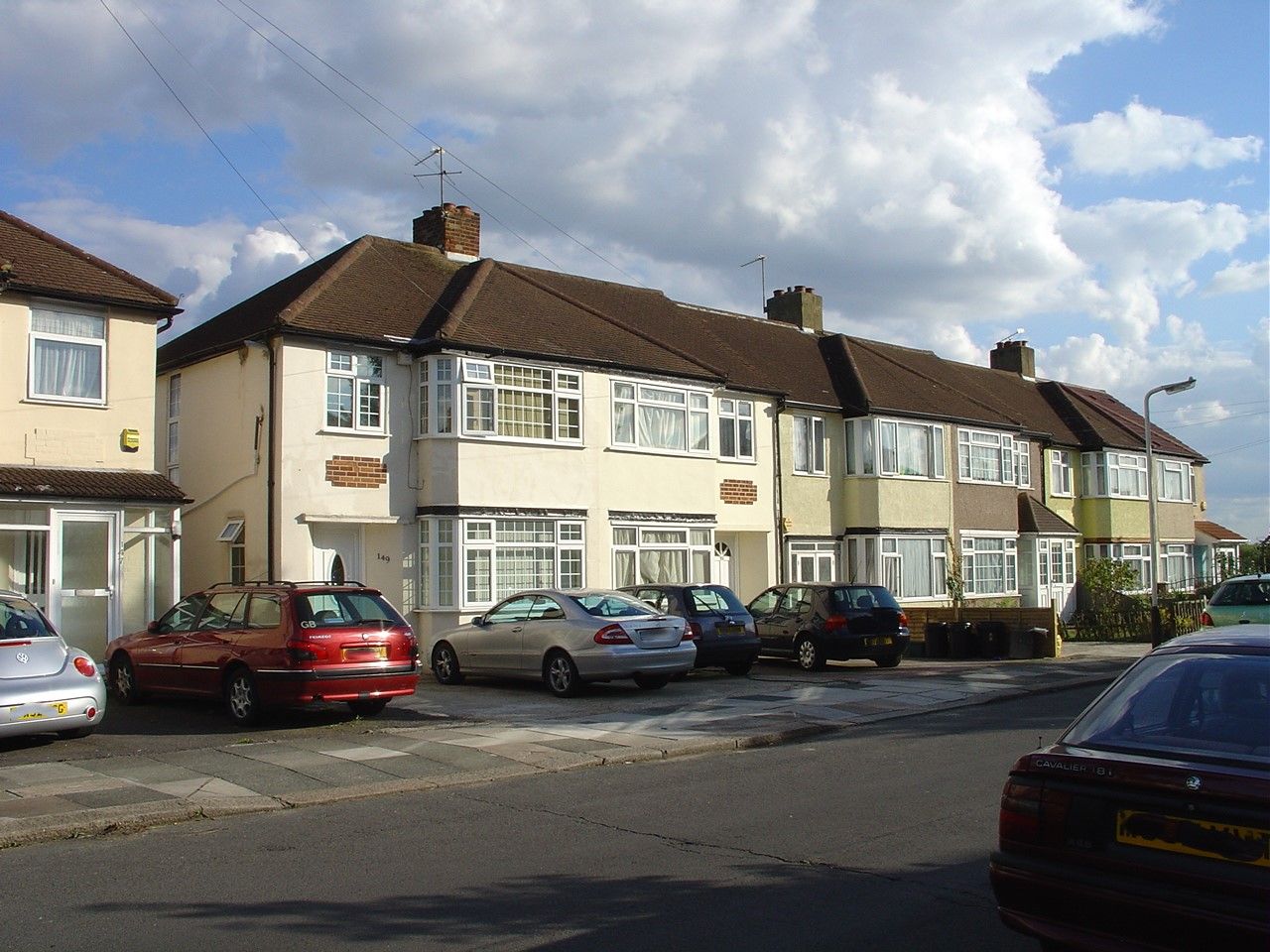
There is also the cost which often surprises people.
On top of the cost of each tree, the total cost per street tree can be £600+ due to all the planning and logistical checks that are needed. This includes ensuring trees can co-exist with energy, digital and water infrastructure, securing residents’ agreement, and more.
Meanwhile, front gardens can be retained, ‘greened up’ and made part of the plans for both heat, cooling, urban greening and other objectives - at much less cost and more immediate effect.
Time to stop ignoring the obvious
Taking on the front gardens issue will mean public engagement and shifts in attitudes, but would help retain and improve what already exists and is known to work.
Surely, that is better than losing yet more of them and trying to make up for that loss in other ways, which may not do the same job as well or at all.
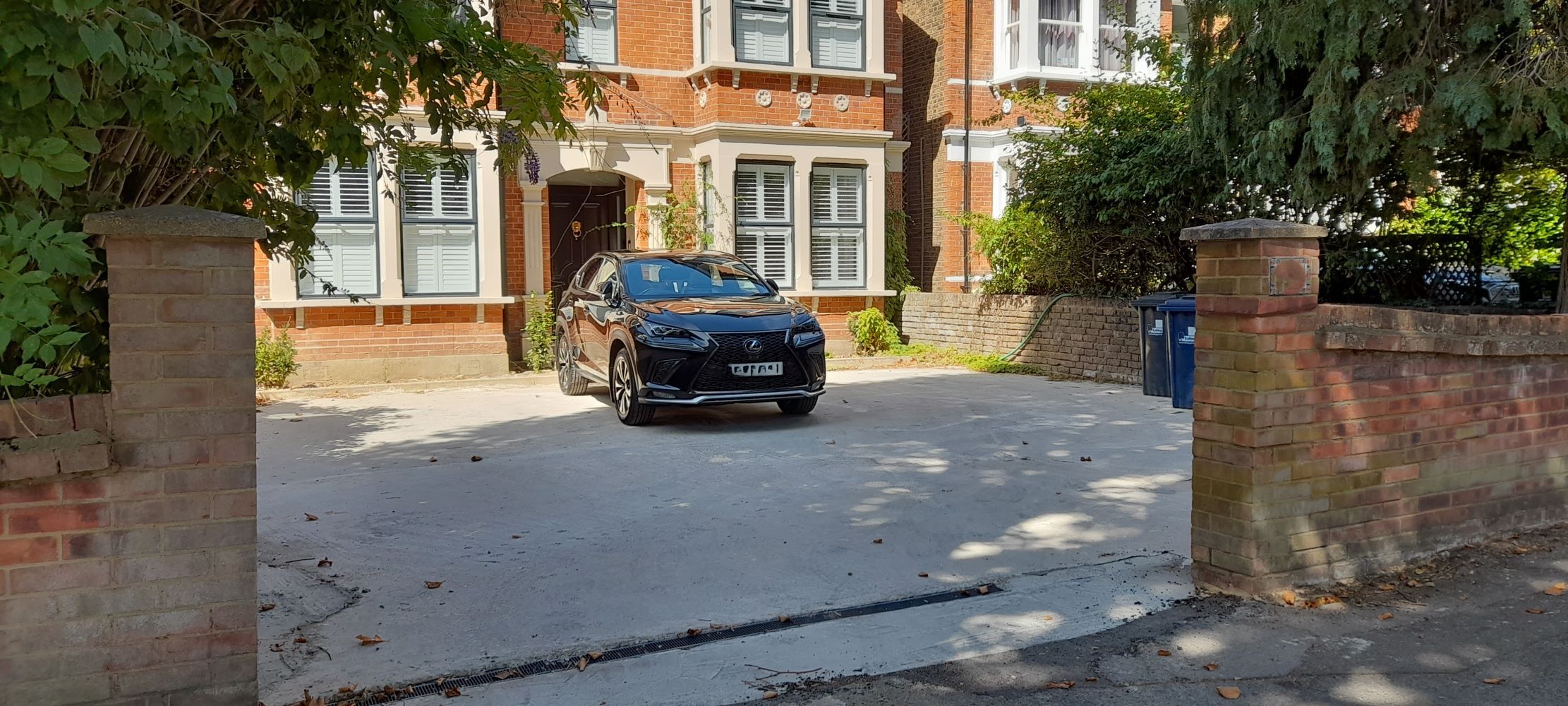
It’s time for the Mayor, GLA, local councils and professionals to show leadership and to pay proper attention to the rising risks and costs of the existing and rolling loss of front gardens in London.
Ignoring front garden loss is like trying to empty a bath by removing the plug yet keeping the taps running, and is directly and indirectly undermining other good aims, intentions and work. It is adding to rising risks and inequalities from the city’s lack of climate change resilience.
A question of fairness?
Page 5 claims that fairness is central to the Heat Ready London plan:
“At the heart of this vision is a commitment to a just transition to a greener, fairer and more climate-resilient London, where the benefits of climate action are shared by all Londoners; and those most vulnerable to risk are protected. Addressing heat risk presents a vital opportunity to reduce inequalities, create jobs, and enhance London’s liveability – ensuring adaptation delivers wider social and economic benefits.”
Yet ignoring front garden loss allows individual householders’ preferences to dictate costs and vulnerabilities for entire communities.